
Chapter 3
Policies at the municipal level
At the local level, policies can control where and how data centers are constructed
Zoning and land use
Cities decide where data centers can be located to avoid overloading neighborhoods or sensitive ecosystems.Water use
In drought-prone regions, permits may limit how much water cooling systems can use.Grid connection & cost-sharing
Utilities may require companies to pay for infrastructure upgrades instead of passing costs to residents.Community impact
Public hearings, environmental reviews, and agreements on noise, heat, and land use.
According to the World Resources Institute, local policy choices about energy sourcing, water use, and location can all determine whether data centers benefit or harm communities.
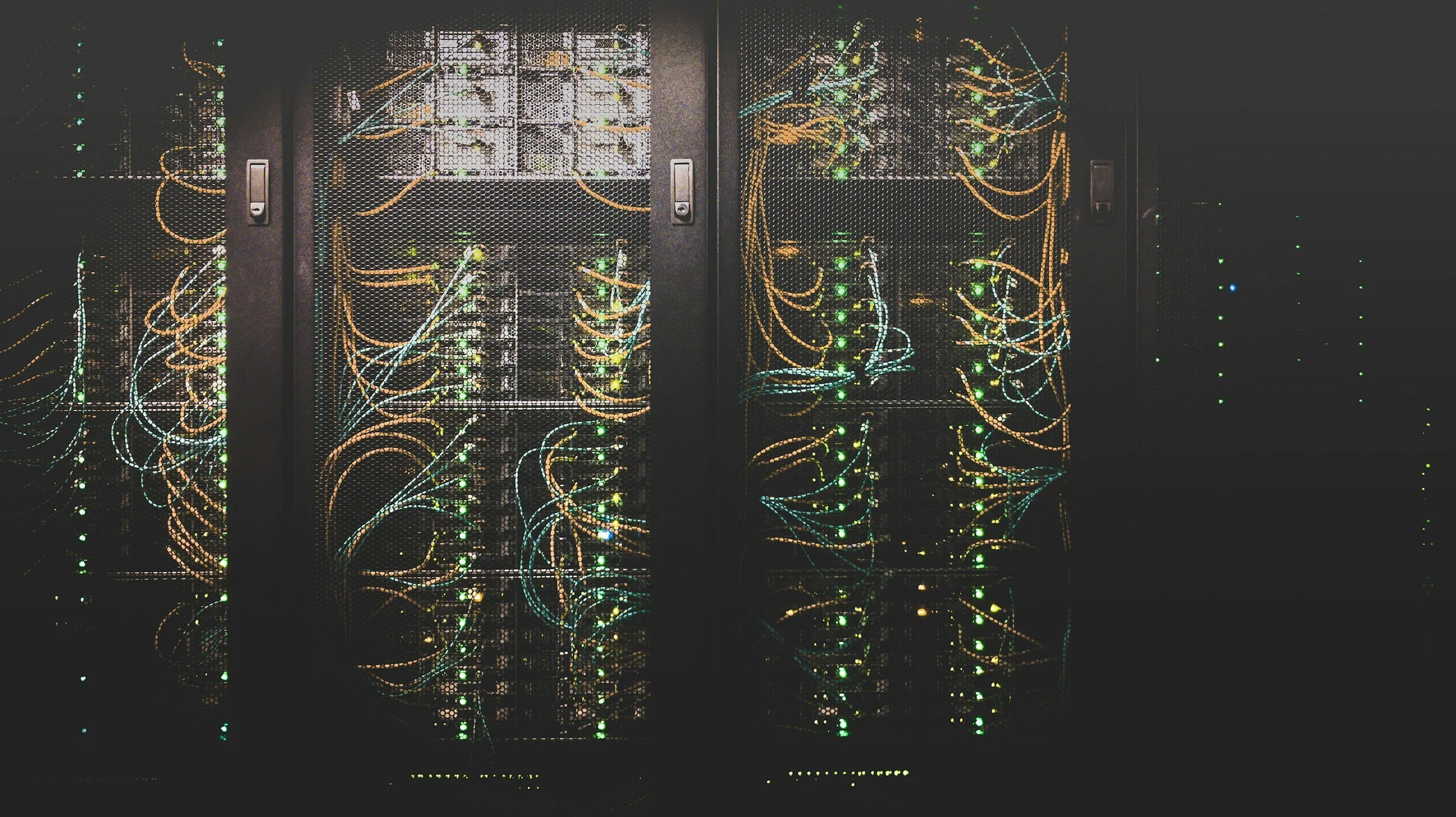
Local Policy → (Zoning + Water + Grid Rules) → Local Impact
2.Policies at the national level
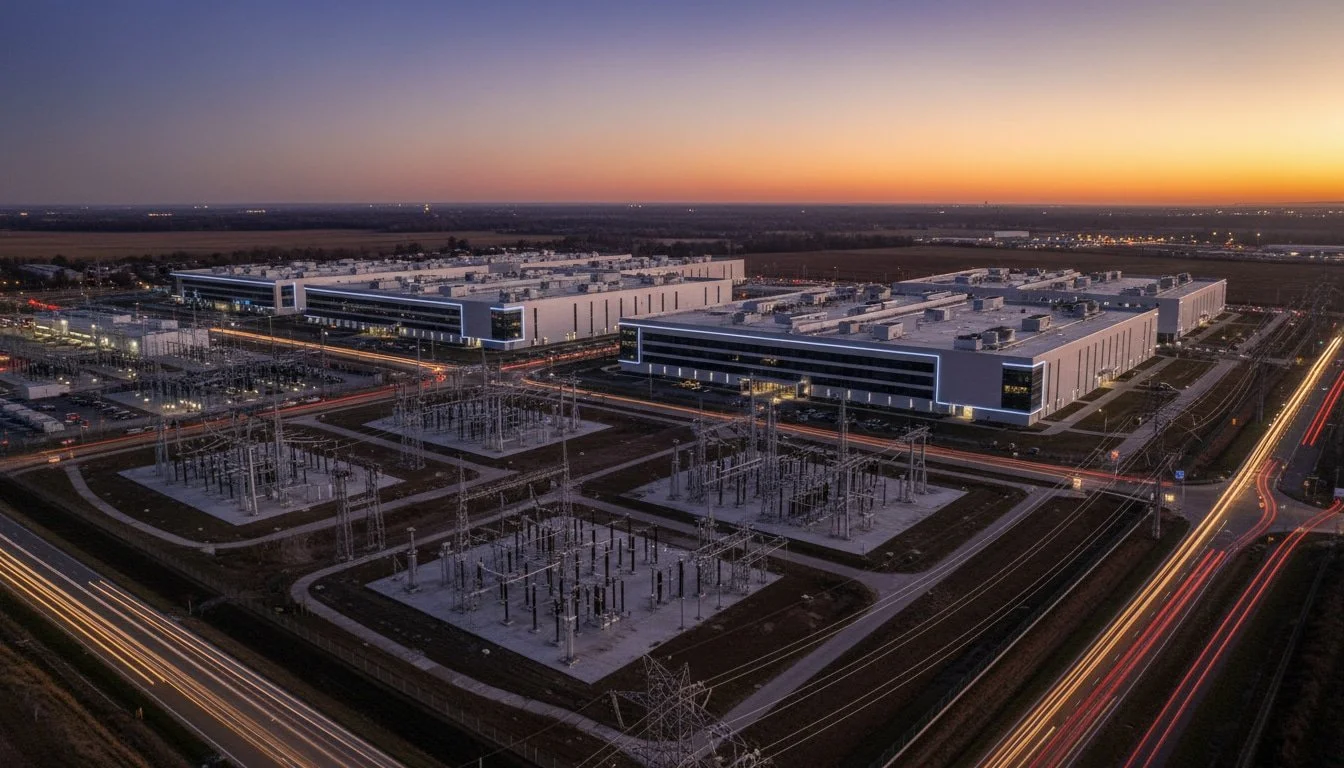
At the national level, governments can have a larger say on data centers’ energy source and supply
Energy efficiency standard
Encouraging or requiring efficient hardware, cooling, and operationsRenewable energy incentive
Tax credits or mandates to push data centers toward clean powerGrid planning and interconnection
Managing how large facilities connect without destabilizing the gridPermitting &industrial policy
Fast-tracking construction or linking approval to sustainability criteria
For example, in the U.S., policy discussions focus heavily on grid reliability and energy supply for large loads. According to the Belfer Center for Science and International Affairs, effective policy must balance reliability, economic growth, and environmental constraints when integrating data centers into the power system.
National Policy → (Energy + Grid + Incentives) → Resource Supply & Cost
3.Policies at the supranational level
At the supranational level, there are more formal and enforceable regulations emerging including:
Mandatory reporting (energy, water, emissions)
Efficiency targets and audits
Renewable energy requirements
Waste heat reuse obligations
Under the EU’s Energy Efficiency Directive, large data centers must report detailed metrics like energy use, PUE, water consumption, and renewable energy share.
Some countries have gone further. According to recent policy analysis, Germany requires waste heat reuse and targets 100% renewable electricity for data centers.
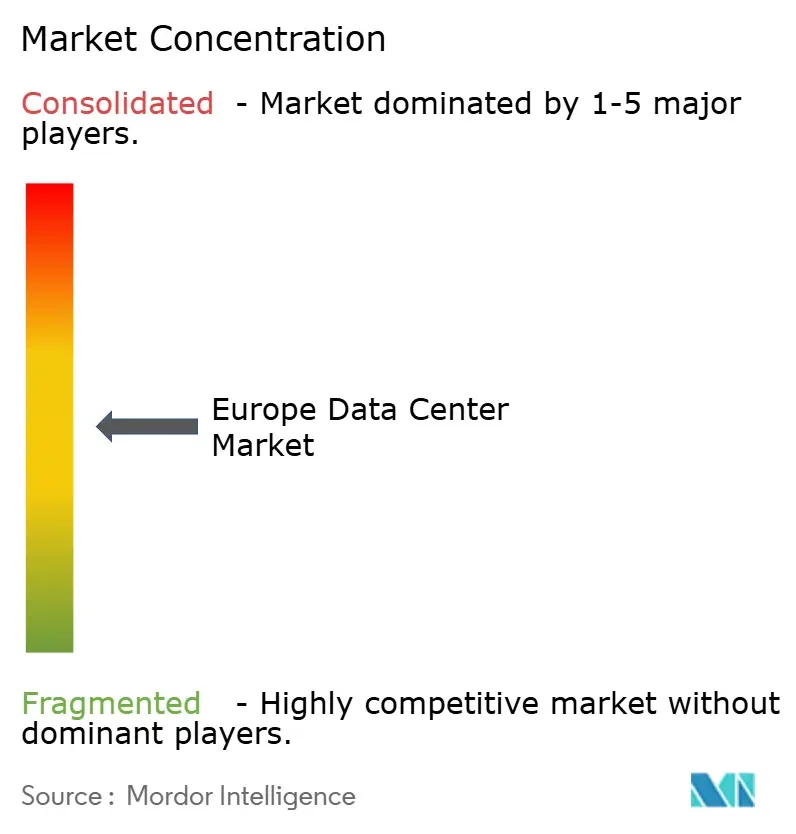
Regional Policy → (Reporting + Targets + Enforcement) → Industry Standards
4.Policies at the global level
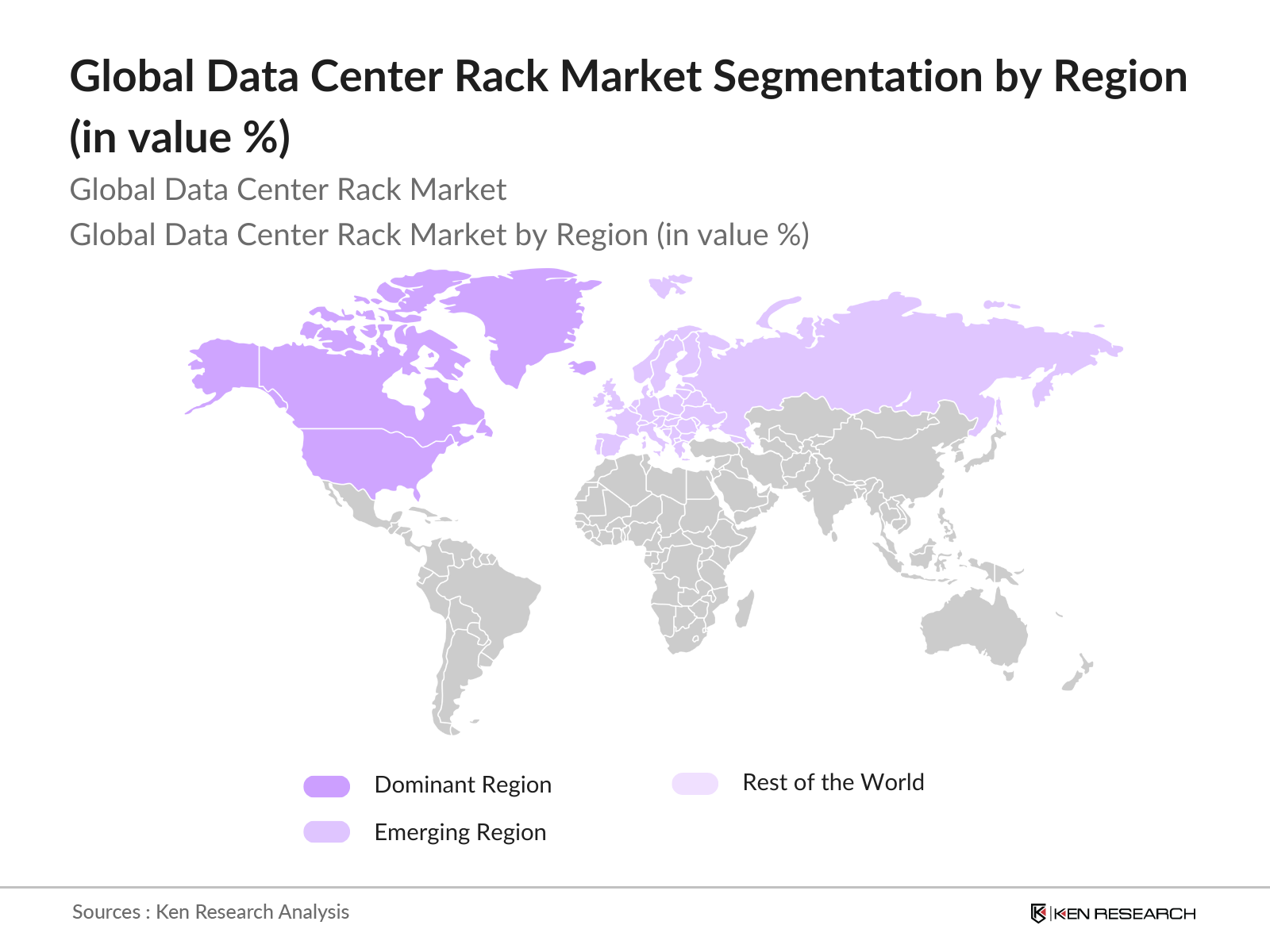
At the highest level, policies aim to align data center growth with climate goals.
Carbon accounting and disclosure (ESG rules)
Global climate targets (net zero commitments)
Standards for AI and digital infrastructure energy use
Cross-border coordination on energy and supply chains
For instance, EU policy ties data centers directly to its broader goal of cutting emissions by at least 55% by 2030.
At the same time, projections show why this matters: data centers could reach 4 to 9 percent of U.S. electricity demand by 2030, highlighting the scale of the systemic challenge.
Global Policy → (Climate Targets + Standards) → Long-term Sustainability
Bigger Picture…
Local policies can manage immediate impacts on a community and neighborhood
National policies can change the overall energy supply and infrastructure
Regional policies enforce standards and transparency for corporations
Global policies define long-term climate alignment
-
Add a short summary or a list of helpful resources here.