
Chapter 1
IN THIS LESSON
What is a data center?
A data center is a facility housing AI computer and physical components, including servers, storage , networking equipment, and power that distributes large volumes of digital information. Data centers provide the physical space and environmental controls (cooling and humidity control) needed for IT hardware to operate 24/7.
Components:
Servers: Hardware that runs applications and databases.
Storage: Disk arrays, solid-state drives, or storage to retain data.
Networking: Switches, routers, and cabling to connect servers to each other and to external networks.
Power: Uninterruptible power supplies (UPS), generators, and distribution equipment to operate during power interruptions.
Cooling and environmental controls: HVAC systems, chillers, and airflow management to prevent overheating.
Physical security: Surveillance and secure perimeters protecting hardware and data.
Monitoring & Management: Systems and staff that oversee performance, capacity, and fault detection.
Backup & Recovery: Replication and backups against data loss and downtime.
Data centers are the backbone of modern digital services. It supports cloud computing and numerous business application from e-commerce to telecommunications.
Data Centers & Hosting Site Map
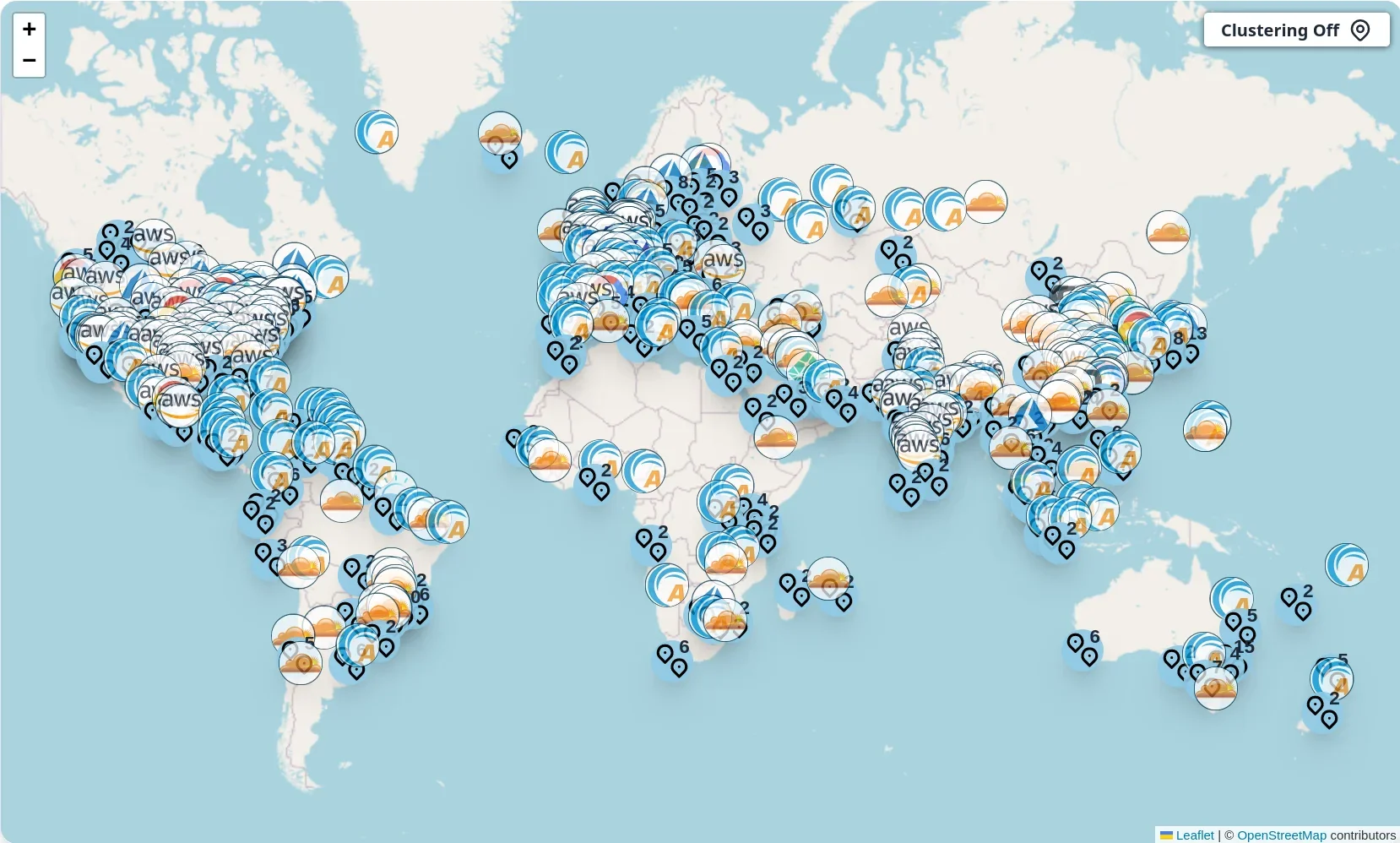
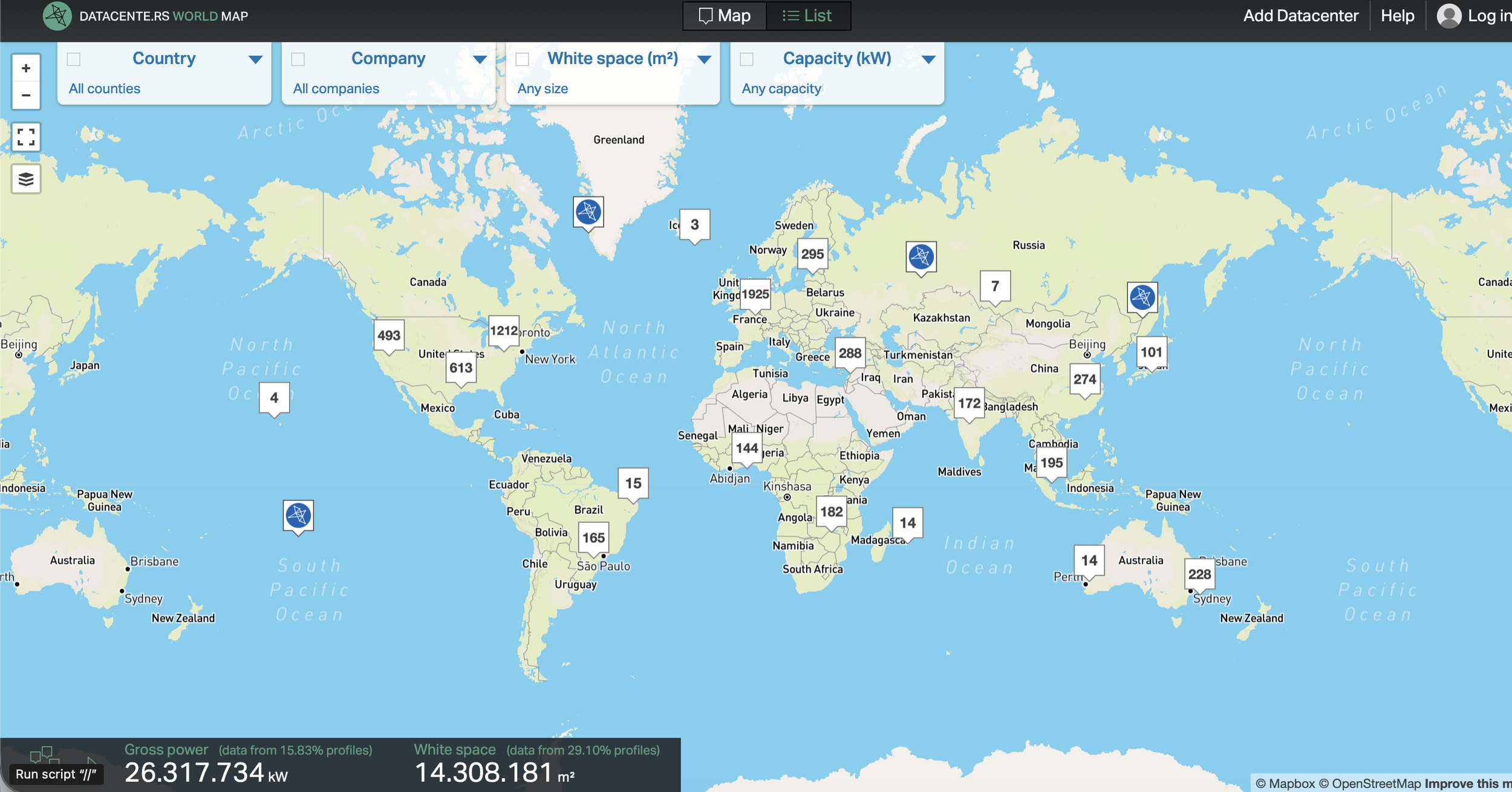
There are over 11,000 to 12,000+ operating high-capacity data centers worldwide as of early 2026. The number constantly increasing to meet demand. The United States leads the world with roughly 45~48% of all data centers, followed by Germany, the United Kingdom, and China.
-
Our downloads have everything you need to supplement this course.