
Chapter 3: AI Safety
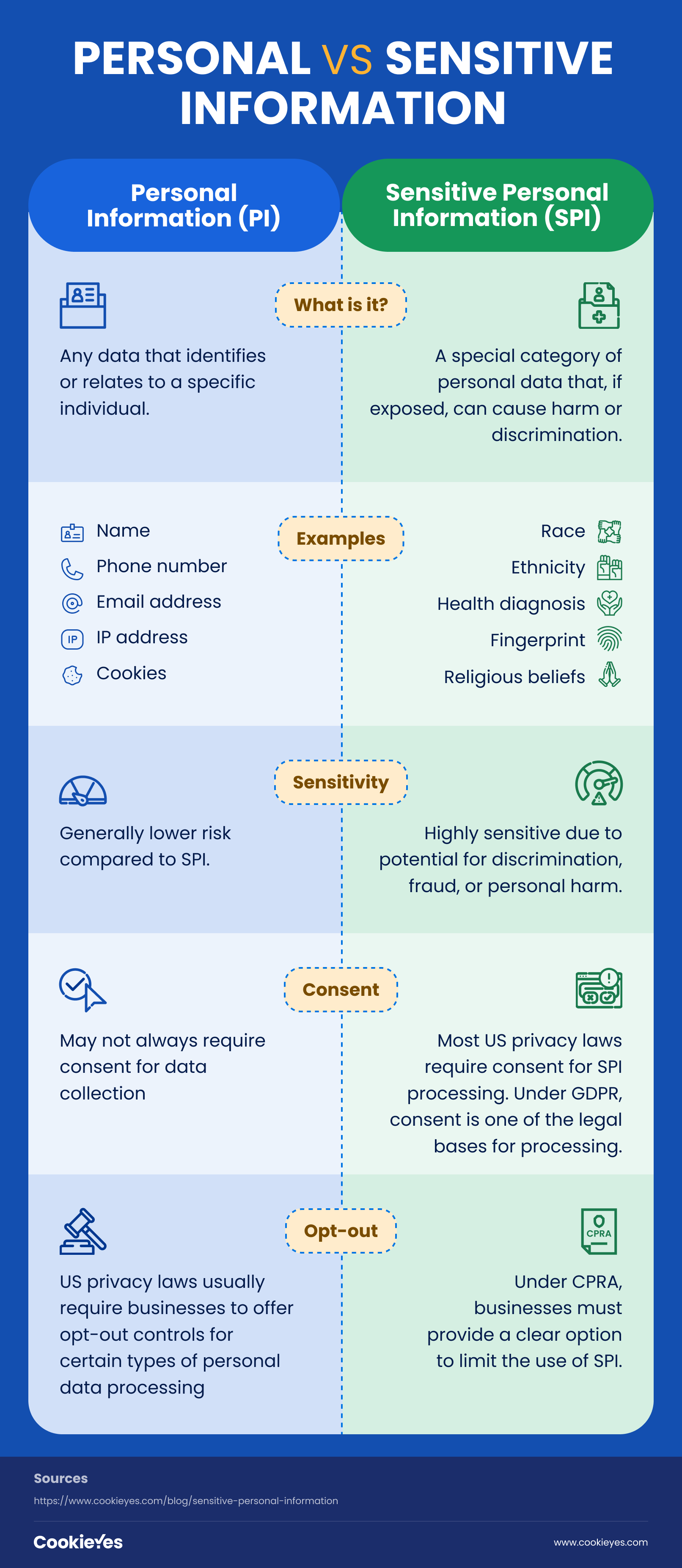
1) Protect your personal information
Case Study: Fake legal citations
In 2023, a lawyer submitted a court brief that included cases generated by ChatGPT that did not exist. The AI produced realistic-sounding citations, but they were completely fabricated. The court sanctioned the lawyer.
What this shows:
AI can generate confident, detailed information that is incorrect, especially when it fills gaps.
What to learn:
Always verify facts that matter
Treat AI as a draft assistant, not a source
The more technical the topic, the higher the risk
2) Deepfakes and impersonation
Case Study: AI voice scam
There have been multiple reported cases where scammers used AI-generated voices to imitate family members and ask for money. In one widely cited example, a parent received a call that sounded like their child in distress, but it was fake. According to the FTC, AI is making impersonation scams more believable and harder to detect.
What this shows:
Hearing or seeing something is no longer proof that it is real.
What to learn from it:
Verify through a second channel, like texting the real person
Be cautious with urgent, emotional requests
Do not rely on voice or video alone as proof

3) AI-generated images & misinformation
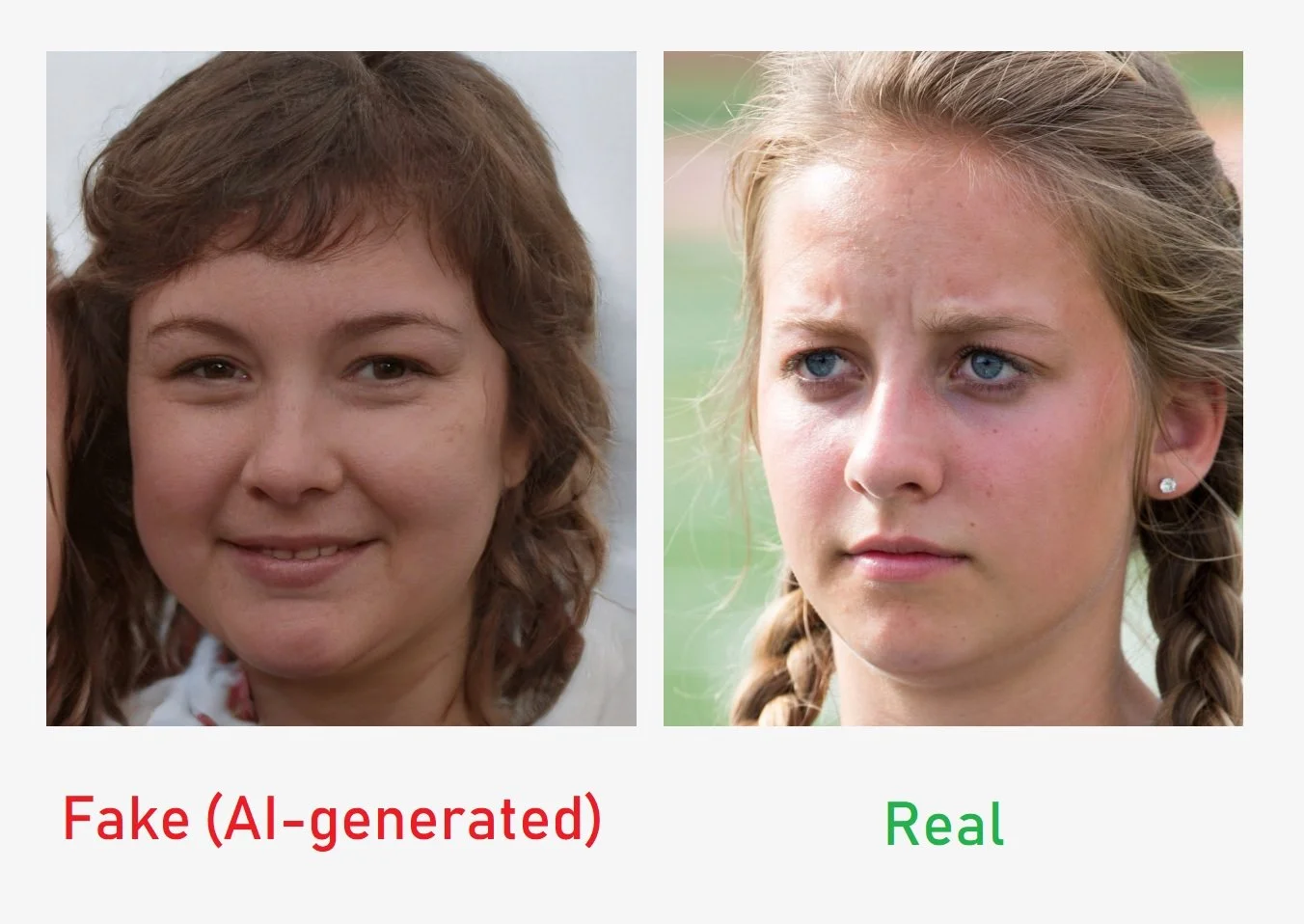
Case study: Viral fake images
AI-generated images, such as fake photos of public figures or events, have spread widely on social media. Some have influenced public opinion before being debunked.
Organizations like the Cybersecurity and Infrastructure Security Agency warn that synthetic media can amplify misinformation during elections or crises.
What this shows:
Visual evidence is no longer automatically trustworthy.
What to take from it:
Check the source of images before sharing
Look for confirmation from multiple outlets
Be skeptical of content that spreads very quickly
4) Over-reliance and loss of learning
Case Study: Students using AI for assignments
Teachers have reported students submitting AI-generated work that they cannot explain or defend when asked follow-up questions.
Researchers and educators have raised concerns that heavy reliance on AI tools can weaken understanding rather than build it.
What this shows:
AI can give you answers without helping you understand them.
What to take from it:
Use AI to explain concepts, not replace effort
Try to restate answers in your own words
Be ready to explain anything you submit

5) Data privacy & sharing
Case Study: Sensitive data leaks
In 2023, employees at a major tech company accidentally shared confidential code with an AI chatbot, raising concerns about how user inputs might be stored or used.
What this shows:
Information entered into AI systems can leave your control.
What to take from it:
Do not input private or sensitive information
Be cautious with documents, images, or personal data
Treat AI tools like public platforms unless told otherwise
-
Our downloads have everything you need to supplement this course.