
Chapter 1: Fake Reality
Deep Fakes and Fake Reality
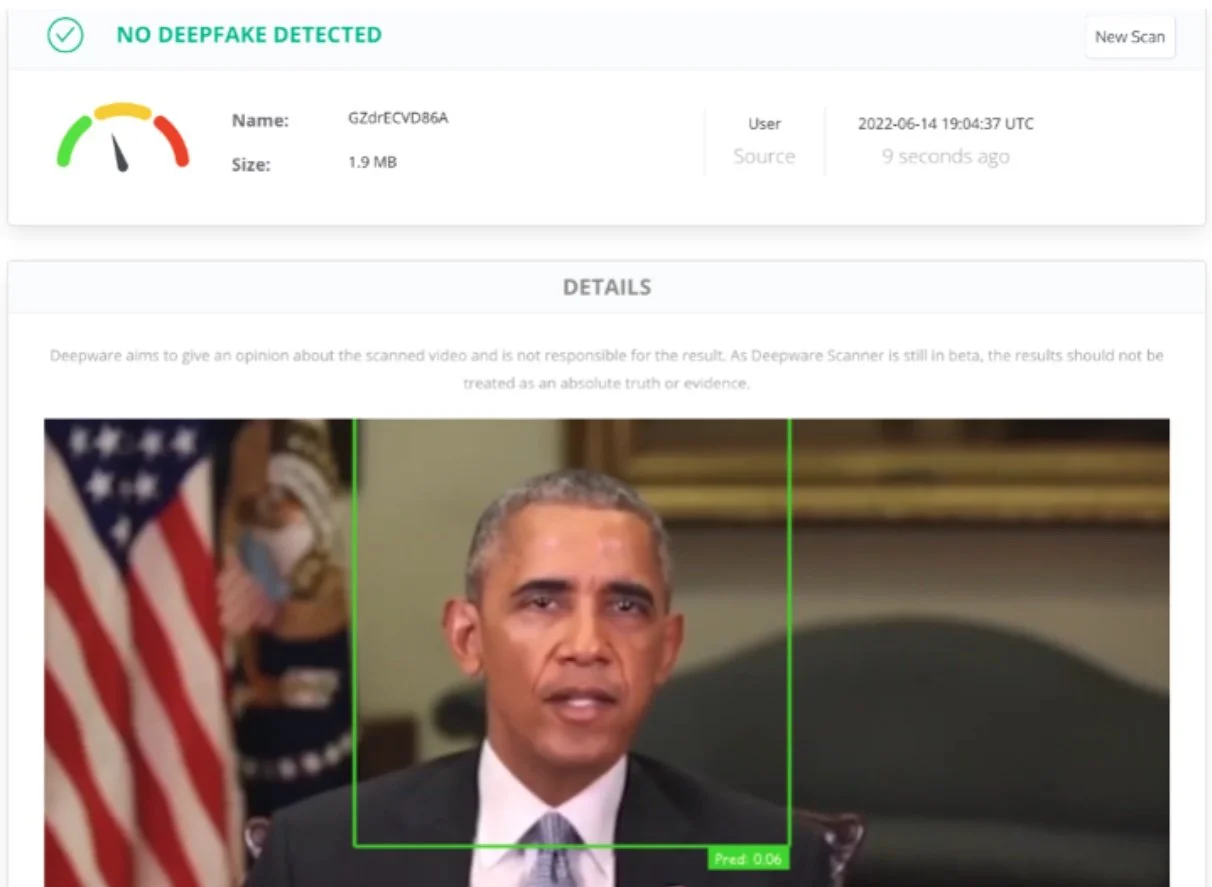
In this course, we explore what deepfakes are, how they are made, and why they matter in everyday life. Deepfakes are AI-generated or AI-manipulated videos, images, and audio that can make people appear to say or do things that never happened. Beyond the technology itself, we also examine what it means to live in a digital environment where false media can look real, real media can be dismissed as fake, and trust in online information becomes harder to sustain. By introducing the idea of “fake reality,” the course helps students understand how synthetic media reshape the way we judge evidence, credibility, and truth on the internet.
Students will learn to think critically about the social, ethical, and political consequences of deepfakes, including misinformation, identity misuse, public deception, and the erosion of trust in journalism, institutions, and personal communication.
At the same time, the course also considers the more constructive side of synthetic media, including creative, educational, and accessibility uses, so that students can approach the topic with nuance rather than panic. By the end of the course, learners will have a clear foundation for understanding both the technical development of deepfakes and the larger cultural problem of fake reality in contemporary digital life.
What is Deepfaking?
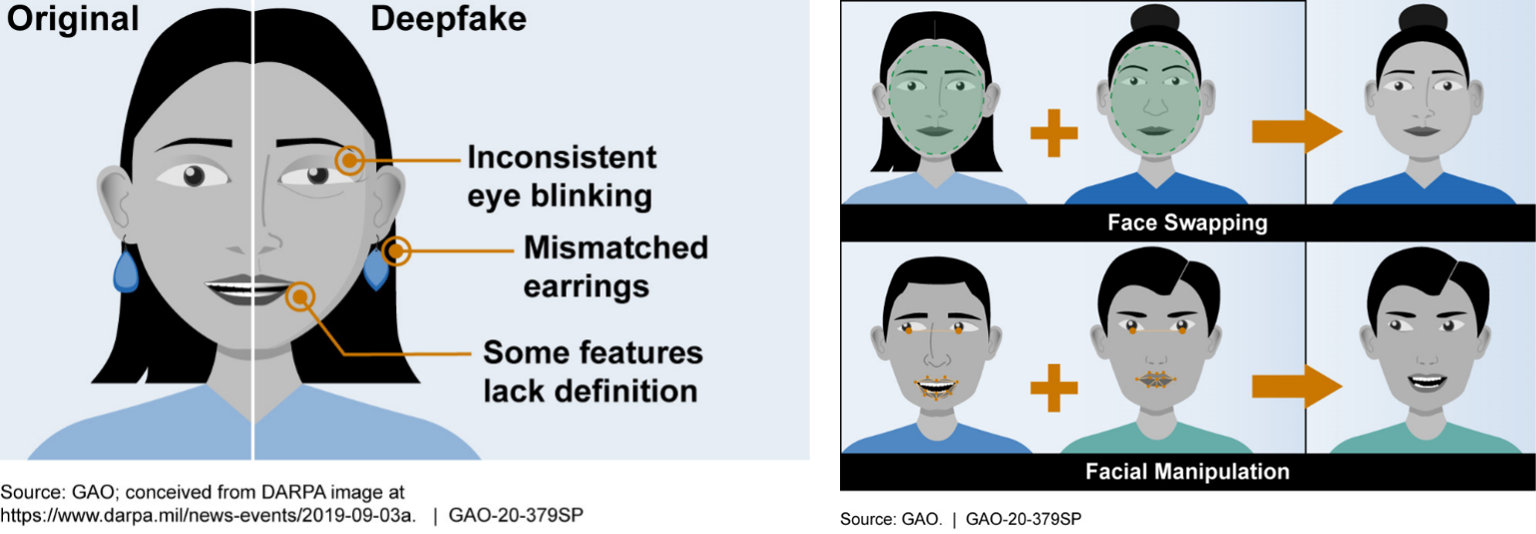
Deepfakes use AI, specifically deep learning techniques like autoencoders and Generative Adversarial Networks (GANs).
1) Face Swapping
Face swapping with recognizable individuals, creating fake news involving their actions
In movies, they are used to replace characters who had died or to show characters as they appeared in their youth
2) Facial Manipulation
Creating fake emotions and contexts that can create false information, particularly in high-stakes, political settings
By training on thousands of images of a target and source face, the AI maps expressions from one person onto another, blending them together or replacing them entirely to create hyper-realistic, fabricated videos.
2.Where is Deepfaking used?
Deepfaking is used across a range of fields, from entertainment and media production to political communication and online misinformation.
In film and television, synthetic media techniques allow producers to digitally recreate actors, de-age performers, or generate realistic dubbing and voice replacements for international audiences. Similar technology is used in advertising and social media to create highly personalized content.
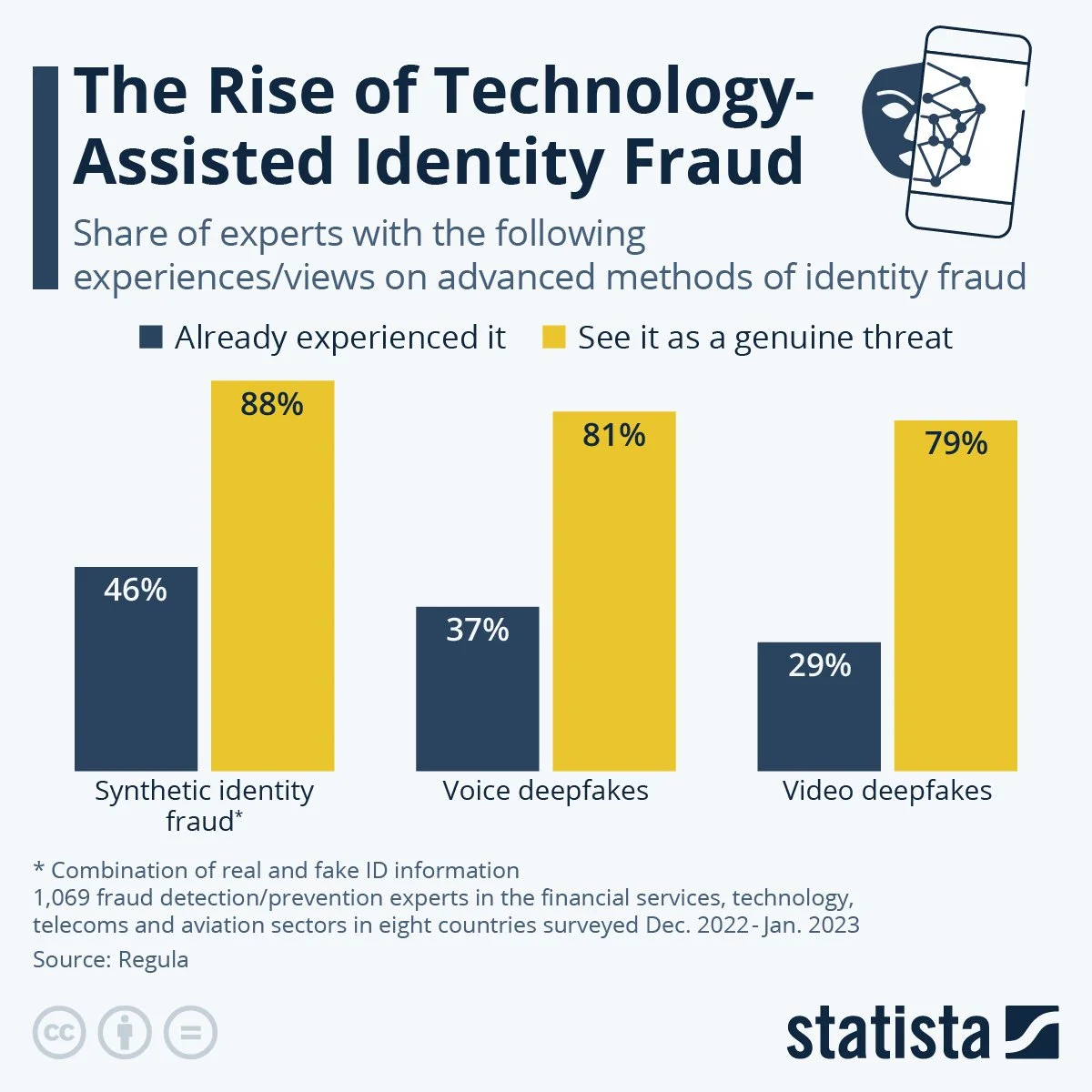
At the same time, researchers note that deepfakes are frequently associated with harmful uses, including non-consensual pornography, identity impersonation, scams, and the spread of political misinformation. Because these videos and audio clips can appear authentic, they can influence public perception and complicate efforts to verify evidence online.
Scholars emphasize that the impact of deepfakes extends beyond individual cases of deception, since their existence can also undermine trust in legitimate media and public information more broadly
Public & AI Trust
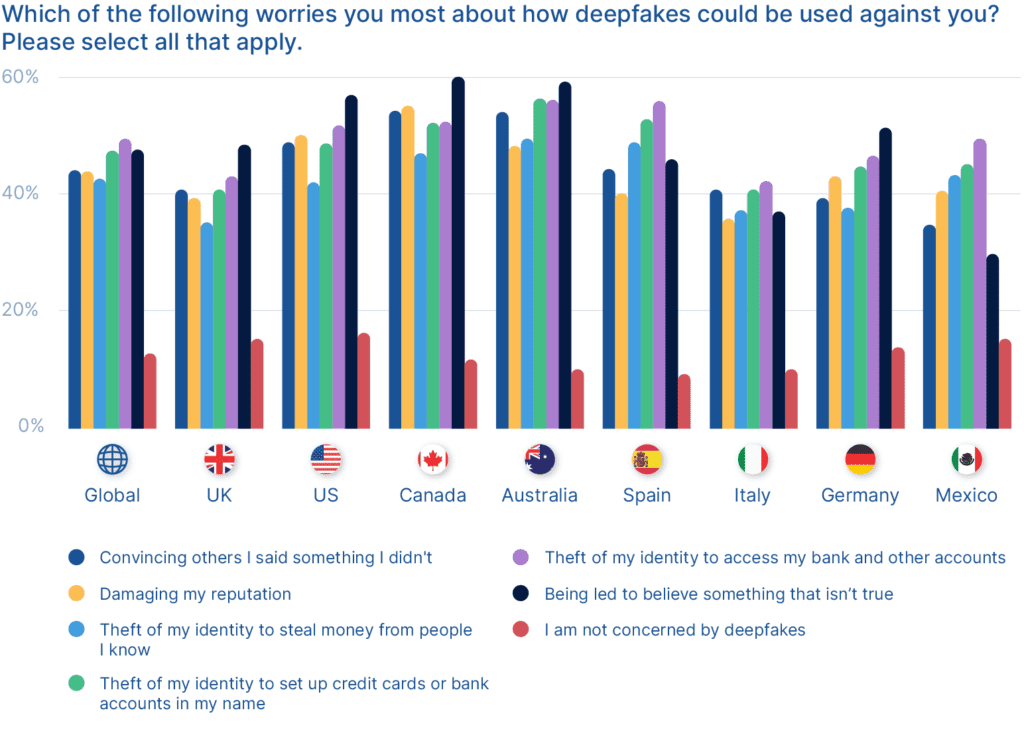
“Deepfake Statistics & Solution” | iProov
Public awareness of deepfakes has grown rapidly, and surveys show that many people are concerned about their impact. For example, a 2024 global identity survey reported that about 72% of people worry about being deceived by a deepfake, particularly in scams or online misinformation.
Because of this risk, trust in digital media has become more fragile, with many people questioning whether images, audio, and videos online can be relied on as evidence.
Researchers argue that the rise of deepfakes therefore creates a broader “trust problem” in the digital information, with authentic media being doubted and manipulated media may being mistaken for real.
-
Our downloads have everything you need to supplement this course.