
Chapter 2: AI & Human Rights
Freedom of Expression & Press

Deepfakes can threaten freedom of expression by making public participation more dangerous, especially for journalists, activists, and women in public life. The harm is not only that fake videos or audio can damage a person’s credibility, but that they can trigger harassment, threats, and self-censorship.
UNESCO and the International Center for Journalists found that 73% of women journalists surveyed had experienced online violence in the course of their work, and 20% said the abuse escalated into offline attacks or abuse. More recent UNESCO findings also report that 19% of surveyed women journalists and media workers experienced AI-assisted online violence, showing that generative tools are becoming part of this pattern of intimidation.
In practice, this means synthetic media can be used to fabricate compromising content, spread sexualized disinformation, or flood the information space with false material that discredits reporting and discourages people from speaking publicly at all.
Case Study: Solvak Parlimanteary Election
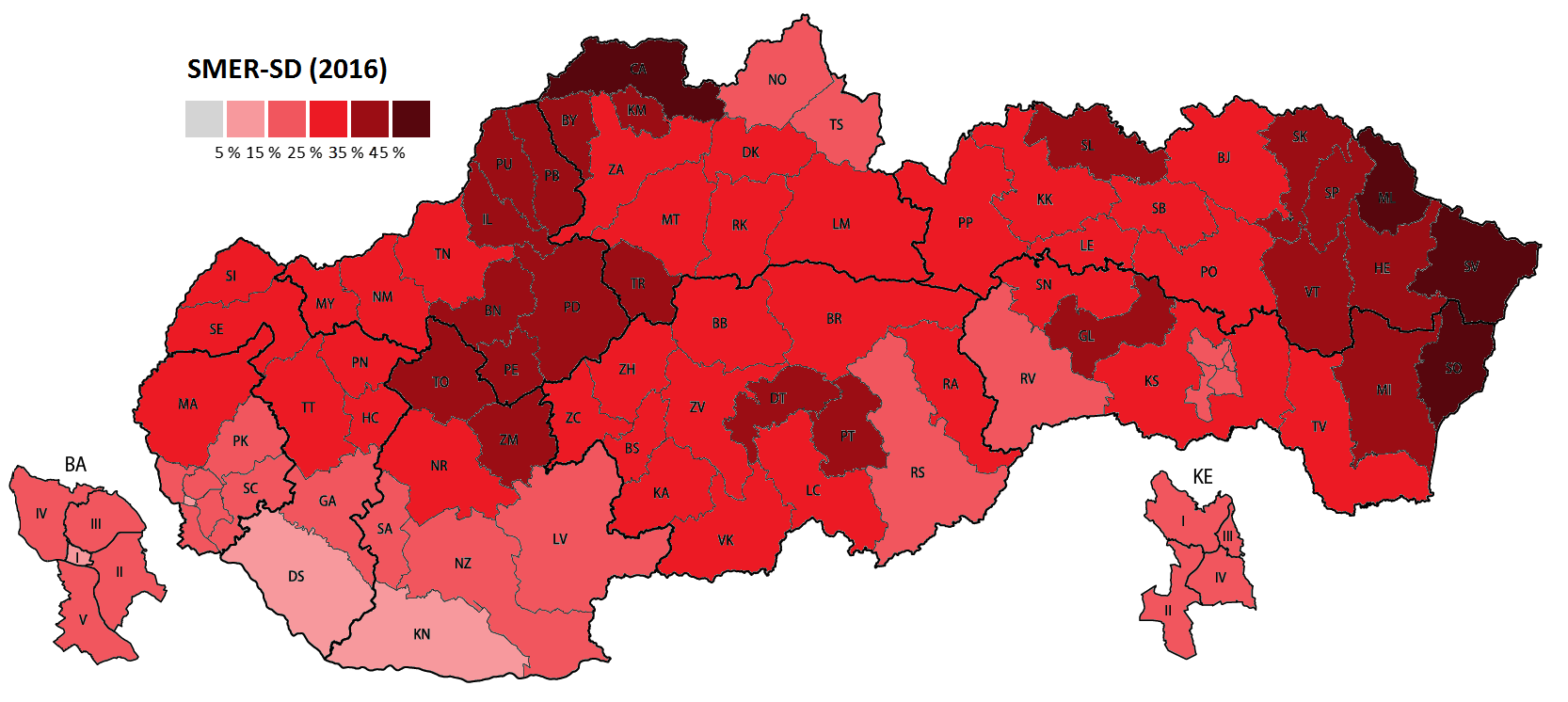
A notable example of deepfake-style disinformation targeting political figures occurred during the 2023 Slovak parliamentary election, when an AI-generated audio recording circulated online shortly before voting began. The recording appeared to feature the voice of Slovak liberal party leader Michal Šimečka discussing plans to manipulate election results and raise the price of beer. The audio spread rapidly on social media in the final days of the campaign, when fact-checking and official responses were limited due to election rules restricting media coverage.
Experts later determined that the recording was likely generated using AI voice cloning technology. Researchers and election monitors warned that such synthetic media can damage reputations, mislead voters, and undermine democratic participation, especially when released at moments when verification is difficult and political tensions are high
-
Our downloads have everything you need to supplement this course.